LPG gas is used in nearly every household across Nepal — from apartments in Kathmandu to homes in Pokhara, Biratnagar, and rural districts. It is convenient, efficient, and affordable. But LPG is also highly flammable, and a single mistake in handling, storage, or maintenance can cause a devastating fire or explosion.
These 10 safety rules are not complicated. They cost nothing to follow. And they can prevent the kind of kitchen gas accidents that Nepal sees every year — accidents that destroy homes, cause serious burns, and take lives. Follow them consistently, teach them to every member of your household, and make them non-negotiable.
Rule 1: Always Store Gas Cylinders Upright
A gas cylinder must always stand upright — never on its side, never tilted, never lying down. Inside the cylinder, LPG exists in two forms: liquid at the bottom and gas vapour above it. The regulator is designed to draw only the gas vapour from the top. If the cylinder is tilted or horizontal, liquid LPG can reach the valve and enter the regulator, causing dangerous over-pressure and potentially damaging the regulator or hose.
This rule applies to spare cylinders too. Store them upright in a ventilated area, away from heat and direct sunlight.
Rule 2: Keep the Cylinder Away from Heat Sources
Your gas cylinder should be positioned at least one metre away from the stove, oven, heater, or any other heat source. Heat increases the pressure inside the cylinder. While cylinders are designed to handle normal temperature variations, prolonged exposure to direct heat — especially from a nearby stove — raises internal pressure unnecessarily and accelerates the aging of rubber seals and hoses.
Never place a cylinder near a window that receives strong direct sunlight for hours. Never store cylinders on a balcony facing the afternoon sun.
Rule 3: Check Your Gas Hose Regularly
The rubber hose connecting your cylinder to the stove is the most vulnerable component in your gas setup. It cracks from heat exposure, dries out over time, gets bent and kinked during cylinder changes, and is chewed by rodents.
Inspect your hose at least once a month. Run your fingers along the entire length and feel for cracks, stiffness, soft spots, or swelling. Check the clamps at both ends — they should be tight and rust-free. Replace the hose every 2 years even if it looks fine. Read our guide on certified flame-retardant safety hose vs ordinary rubber pipe for a safer alternative.
Rule 4: Never Use Matches to Check for Gas Leaks
This sounds obvious, but every year people in Nepal use a lighter or match near a suspected gas leak to "check if gas is coming out." This is extremely dangerous. Even a small amount of accumulated LPG can ignite from a flame and cause serious burns or a fire.
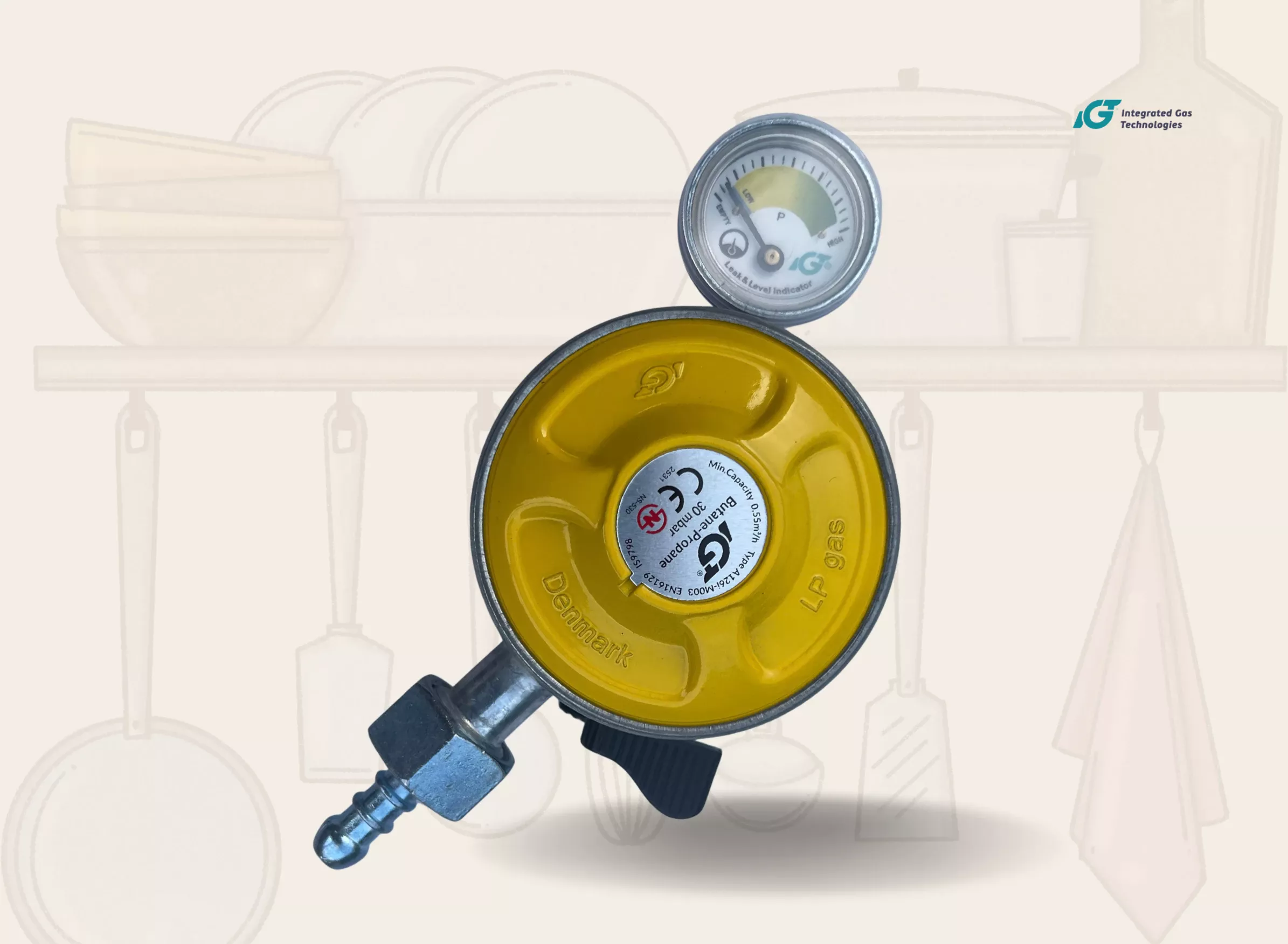
Use the soap water method or, better yet, a manometer pressure test with an IGT regulator to detect leaks safely.
Rule 5: Ventilate Your Kitchen
Cooking with LPG in a completely sealed kitchen is dangerous for two reasons. First, if there is a small gas leak, the gas accumulates in the enclosed space instead of dispersing. Second, continuous burning consumes oxygen and produces carbon monoxide — an odourless, colourless gas that causes headaches, dizziness, and can be fatal in enclosed spaces.
Always keep at least one window or ventilation opening active while cooking. If your kitchen has an exhaust fan, use it. Good ventilation protects you from both gas leaks and carbon monoxide buildup.
Rule 6: Turn Off Gas at the Cylinder After Every Cooking Session
When you finish cooking, close the regulator valve and the cylinder valve. This takes five seconds and prevents slow overnight leaks that can fill your kitchen with gas while you sleep.
Many households in Nepal leave the cylinder valve open permanently and only control gas flow from the stove knobs. This is risky — stove valves can develop slow leaks over time. Closing the cylinder valve ensures zero gas flow when the stove is not in use.
Rule 7: Never Use Two Cylinders Connected Together at Home
Some households attempt to connect two cylinders using a Y-connector or manifold to avoid running out of gas during parties or festivals. This is extremely dangerous in a domestic kitchen. Domestic regulators, hoses, and stoves are not designed for dual-cylinder setups. The increased gas flow and pressure can overwhelm the regulator and cause failures.
If you need extended cooking capacity, keep a spare cylinder ready and swap when the first runs out. If you operate a commercial kitchen, use commercial-grade equipment designed for multi-cylinder setups.
Rule 8: Teach Everyone in the House the Gas Smell Drill
Every person in your household — adults, teenagers, and children old enough to understand — should know what LPG smells like (the rotten-egg odour of mercaptan) and what to do if they smell it: no switches, no flames, open windows, close cylinder valve, leave the house, call for help from outside.
Post the emergency steps on your kitchen wall. Practice the drill once so everyone knows the procedure before they ever need it. Read our detailed gas leak emergency guide.
Rule 9: Replace Aging Equipment Proactively
Do not wait for your gas regulator or hose to fail. Replace your hose every 2 years and your regulator every 5 years, following international safety standards. A proactive replacement schedule prevents the slow degradation that leads to gas leaks.
When replacing your regulator, consider upgrading to the IGT gas regulator — the only regulator available in Nepal with automatic excess-flow shut-off protection.
Rule 10: Upgrade to Automatic Shut-Off Protection
Rules 1 through 9 are about human behaviour — things you must remember to do consistently. Rule 10 is about engineering protection that works even when humans forget or make mistakes.
The IGT Denmark Auto-Cut Regulator automatically cuts gas flow in under 0.1 seconds if a hose ruptures, disconnects, or is damaged. It does not rely on anyone being present, smelling gas, or reacting quickly. It is a mechanical safety device that activates automatically, every time, without fail.
Combine all 10 rules — the human habits and the engineering safeguard — and your kitchen is as safe as it can possibly be.
Frequently Asked Questions
How often should I test my gas system for leaks?
Test every time you change a cylinder, once a month as routine, and immediately if you hear hissing or smell gas. With an IGT regulator, the manometer test takes just 2 minutes.
Can I store a gas cylinder on my balcony?
Only if the balcony is well ventilated and the cylinder is not exposed to prolonged direct sunlight. Store it upright, away from heat sources, and with the safety cap on the valve when not connected.
Is it safe to use LPG gas in apartments and high-rise buildings?
Yes, with proper precautions. Read our dedicated guide on LPG safety for apartments in Kathmandu.