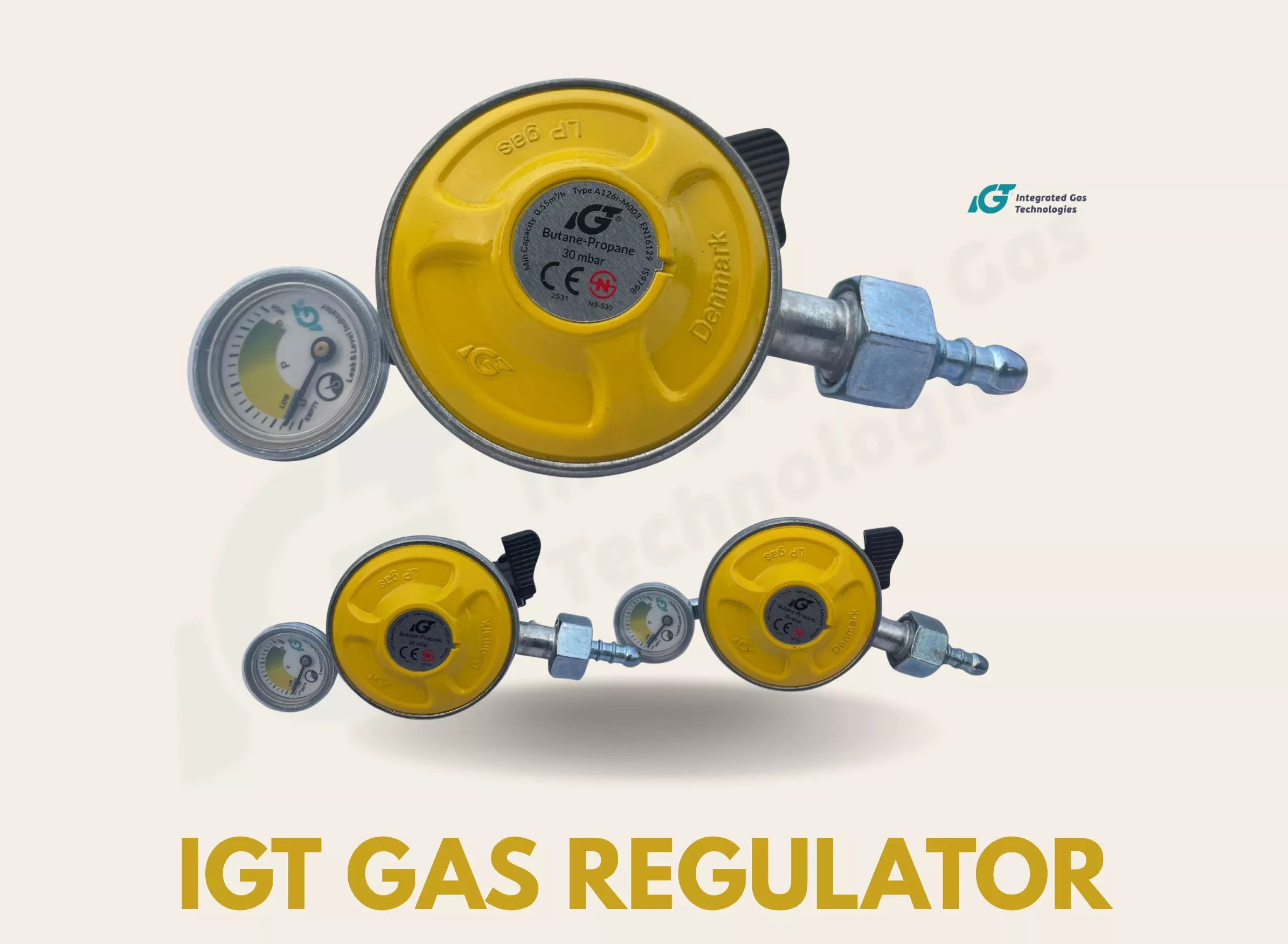
Your gas regulator is a mechanical device with moving parts, rubber seals, and springs that wear out over time. Unlike a stove or a kitchen appliance that obviously stops working when it fails, a gas regulator can degrade silently — working just well enough to supply gas, but slowly losing its ability to maintain safe pressure or seal properly.
A failing gas regulator is dangerous because it creates leak conditions that may not be immediately obvious. Here are five warning signs that your LPG gas regulator in Nepal needs to be replaced immediately — before it causes a gas leak, fire, or worse.
1. You Hear a Constant Hissing Sound Near the Regulator
A faint hissing sound coming from the regulator — even when all stove burners are turned off — means gas is escaping somewhere. This is not normal. A properly sealed regulator is silent when the stove is off because no gas should be flowing.
The hiss usually comes from one of two places: the internal diaphragm seal has degraded and gas is leaking past it, or the connection between the regulator and the cylinder valve is not sealing properly due to a worn-out rubber washer or gasket.
If you hear hissing, close the cylinder valve immediately and ventilate the kitchen. Do not attempt to "fix" a hissing regulator by tightening it harder — the internal seal is likely worn beyond repair. The regulator needs replacement.
An IGT gas regulator with a built-in manometer lets you confirm whether the hissing is a real leak: with all stove valves closed, if the manometer needle drops, gas is escaping from the system. If the needle holds steady, the sound may be coming from outside the gas system.
2. The Stove Flame Is Yellow or Orange Instead of Blue
A healthy LPG flame is blue with a small inner cone. When your flame turns yellow, orange, or has irregular tips, it means the air-to-gas ratio is wrong. While this can sometimes be a stove burner issue (dirty ports, misaligned cap), a failing regulator is a common cause.
A degraded regulator may deliver inconsistent or excessive gas pressure, disrupting the precise mixture of air and gas that produces a clean blue flame. A yellow flame means incomplete combustion, which produces carbon monoxide — an odourless, invisible gas that can cause headaches, dizziness, nausea, and in enclosed spaces, death.
If cleaning your stove burner does not fix the yellow flame, the problem is likely your regulator. Replace it. Carbon monoxide poisoning is a silent killer and takes no chances.
3. You Smell Gas Even When Everything Is Turned Off
If you smell the distinctive rotten-egg odour of LPG gas (added by the gas company as ethyl mercaptan) when your stove is off and the cylinder valve is closed, your regulator's internal seal has failed. Gas is leaking past the shut-off mechanism and entering your kitchen.
This is an emergency situation. A gas smell with everything turned off means there is an uncontrolled leak in the system. Open all windows and doors, do not touch any electrical switches, and leave the house. Do not re-enter until the gas has fully dissipated — at least 15 minutes.
Replace the regulator. A regulator that leaks with the valve closed cannot be repaired — the internal diaphragm or valve seat is damaged. Read our complete gas leak emergency procedure for the full safety protocol.
4. The Regulator Body Is Cracked, Corroded, or Physically Damaged
Inspect the outside of your regulator. Look for visible cracks in the plastic or metal body, rust or green corrosion on metal parts, dents from being dropped, or any damage to the connection collar.
Physical damage compromises the structural integrity of the regulator. A cracked body can leak gas. A corroded connection may not seal properly against the cylinder valve. A dented regulator body can damage internal components, causing unpredictable pressure regulation.
Gas regulators in Nepal are exposed to kitchen heat, humidity, and cooking grease — all of which accelerate wear. If your regulator looks old, corroded, or has any visible damage, do not wait for it to fail during cooking. Replace it proactively.
5. Your Regulator Is More Than 5 Years Old
International safety standards recommend replacing gas regulators every 5 years, even if they appear to be working normally. The rubber diaphragm inside the regulator hardens and loses flexibility over time. Springs weaken. Seals degrade. The valve seat wears down from repeated cylinder changes.
Most households in Nepal do not track when their regulator was purchased. If you do not know the age of your regulator — and especially if it came with the cylinder from a gas delivery person — assume it is old and needs replacement.
Many regulators sold informally in Nepal are already refurbished or second-hand when you receive them. There is no way to know how long they have actually been in service. Upgrading to a new, genuine IGT regulator with a known purchase date and a 2-year warranty is the safest choice.
For more details on replacement intervals, read our guide: how often should you replace your gas regulator and hose.
What Should You Replace It With?
When you replace your gas regulator, you have a choice: buy another standard pressure-only regulator from a hardware shop, or upgrade to the IGT Denmark Auto-Cut Regulator (Model A126i-M003).
The standard regulator will give you pressure reduction — the same basic function as your old one. But it will not protect you from hose ruptures, rodent damage, or disconnection leaks. It will not have a manometer for leak testing. And it will likely have zero or minimal warranty.
The IGT regulator gives you everything a standard regulator does, plus automatic excess-flow shut-off (cuts gas in under 0.1 seconds during a hose failure), a built-in manometer for 2-minute leak testing, EN 16129 European certification, and a 2-year full replacement warranty valid across all 77 districts of Nepal.
It is a one-time upgrade that costs less than a single hospital visit. For a detailed comparison, read our best gas regulator buyer's guide.
Frequently Asked Questions
Can I repair my old gas regulator instead of replacing it?
No. Gas regulators contain precision-calibrated internal components — diaphragms, springs, and valve seats — that cannot be reliably repaired at home or by a local shop. A repaired regulator may appear to work but deliver inconsistent pressure or leak under certain conditions. Always replace with a new, genuine unit.
How do I safely dispose of my old gas regulator?
Disconnect the old regulator from the cylinder with the cylinder valve closed. The regulator itself is not hazardous — it can be disposed of as scrap metal or plastic waste. Do not attempt to disassemble it.
Does replacing the regulator also mean replacing the hose?
Not necessarily, but it is a good opportunity to inspect your hose. If the hose is more than 2 years old, shows cracks or stiffness, or uses thin jubilee clips, replace it along with the regulator. The IGT Complete Safety Kit includes both the regulator and a new flame-retardant hose with stainless steel clamps.