Every winter in Nepal, families in Kathmandu, Lalitpur, Bhaktapur, and the hilly districts turn to gas geysers for hot water and gas room heaters for warmth. These appliances are convenient and affordable — but they carry a silent risk that most people do not think about: carbon monoxide poisoning.
Carbon monoxide (CO) is produced when LPG burns without enough oxygen. It is completely colourless and odourless — unlike LPG itself, which has the distinctive rotten-egg smell of mercaptan. You cannot see it, smell it, or taste it. But breathing it causes headaches, dizziness, nausea, confusion, and in concentrated doses, death. Every year, carbon monoxide incidents are reported across Nepal during the colder months.
This guide covers the safety practices that every Nepal household should follow when using gas geysers and gas room heaters.
Why Gas Geysers Produce Carbon Monoxide
When LPG burns with adequate oxygen, it produces carbon dioxide (CO₂) and water vapour — both harmless in normal kitchen quantities. But when oxygen levels in a room drop — because the room is sealed, the door is closed, and the gas appliance has been running for a while — combustion becomes incomplete. Incomplete combustion produces carbon monoxide instead of carbon dioxide.
Gas geysers are especially risky because they are typically installed in small, enclosed bathrooms. A bathroom with the door and window closed is essentially a sealed box. The geyser burns LPG, consumes oxygen from the room, and produces CO. Within minutes, the oxygen level drops and CO concentration rises. A person bathing may feel dizzy but attribute it to the hot water. By the time they realize something is wrong, they may be too disoriented to open the door.
Safety Rules for Gas Geysers
Rule 1: Never Install a Gas Geyser Inside a Sealed Bathroom
If your bathroom has no window or ventilation opening, a gas geyser should not be installed inside it. Period. The geyser needs fresh air to burn LPG safely. Without ventilation, CO will accumulate.
If the bathroom has a window, keep it at least partially open whenever the geyser is running. A 10-centimetre gap is enough to maintain airflow. If the bathroom has an exhaust fan, turn it on while the geyser is running.
Rule 2: Install the Geyser Near the Ventilation Source
Position the geyser as close to the window or exhaust fan as possible. This ensures that combustion gases are drawn out of the room efficiently. Never install the geyser on the wall opposite to the window — the combustion gases have to travel across the entire room before reaching ventilation.
Rule 3: Limit Usage Duration
Do not run a gas geyser continuously for more than 10 to 15 minutes in a small bathroom. Heat the water you need, turn off the geyser, and then bathe. Continuous running depletes room oxygen faster than ventilation can replace it.
Rule 4: Check the Flame Colour
A properly burning gas geyser flame should be mostly blue. If the flame is yellow or orange, the air-gas mixture is wrong and CO production is increased. Have the geyser serviced or adjusted by a qualified technician.
Safety Rules for Gas Room Heaters
Rule 1: Never Use a Gas Heater in a Bedroom Overnight
Using a gas room heater in a bedroom with the door and windows closed while sleeping is one of the most dangerous things you can do. As you sleep, the heater consumes oxygen and produces CO. In a sealed room, CO levels can reach lethal concentrations within hours. You will not wake up because CO causes gradual loss of consciousness.
If you must use a gas heater in a bedroom, keep a window cracked open for ventilation and set a timer to turn off the heater before you fall asleep. Better yet, switch to electric heating for overnight use.
Rule 2: Ensure Room Ventilation
Any room where a gas heater is operating needs fresh air supply. Keep a window partially open or ensure there is an air gap under the door. The room does not need to be fully open — even a small ventilation path prevents dangerous CO buildup.
Rule 3: Do Not Use the Kitchen Stove as a Room Heater
Some households in Nepal leave a stove burner running to heat the kitchen or living room. This is extremely dangerous. A stove burner is not designed for space heating — it produces more CO than a purpose-built heater and has no safety features for extended, unattended operation.
The Gas Regulator Connection
Gas geysers and room heaters are connected to the same LPG cylinder as your kitchen stove — through a hose and regulator. The same safety principles apply:
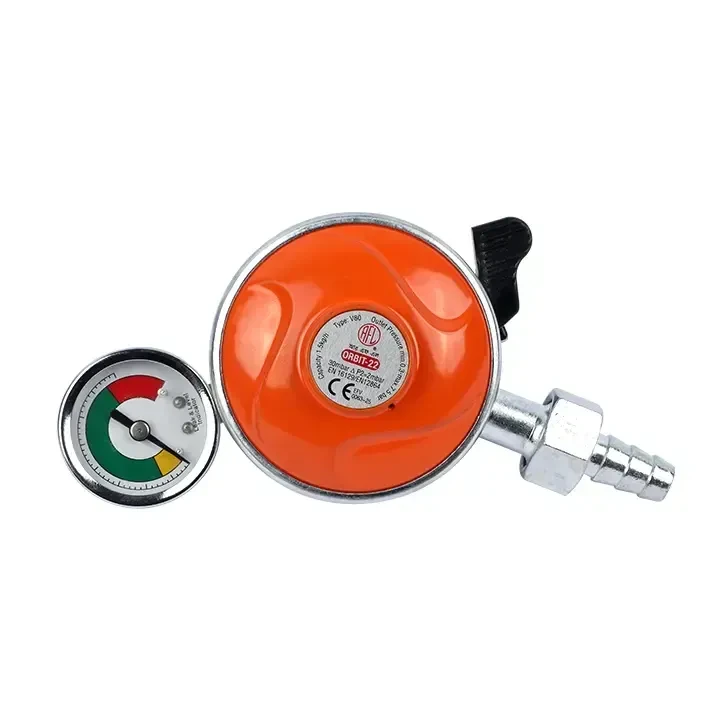
- Use a quality regulator — the IGT gas regulator provides automatic excess-flow shut-off protection for any appliance connected through its line
- Use a flame-retardant hose if the gas line runs along a wall or floor where it could be stepped on, kinked, or exposed to rodents
- Check connections regularly — especially if the gas line is split to serve multiple appliances (stove, geyser, heater)
- Close the cylinder valve when all gas appliances are off — especially at night
Signs of Carbon Monoxide Exposure
If anyone in your household experiences the following symptoms while a gas geyser or heater is running, suspect CO exposure:
- Headache — especially at the front of the head
- Dizziness or lightheadedness
- Nausea or vomiting
- Confusion or difficulty thinking clearly
- Shortness of breath
- Feeling unusually tired or weak
If symptoms appear: turn off the gas appliance immediately, open all windows and doors, move the affected person to fresh air outside, and seek medical attention. CO poisoning symptoms can worsen rapidly.
Frequently Asked Questions
Can I install a gas geyser in a bathroom with no window?
We strongly recommend against it. If there is absolutely no alternative, install a mechanical exhaust fan that runs whenever the geyser is on, and keep the bathroom door open during use. However, a geyser in a room with natural ventilation (window) is always safer.
Are electric geysers safer than gas geysers?
From a carbon monoxide perspective, yes — electric geysers produce no combustion gases. However, they have their own electrical safety considerations. For households concerned about CO risk, electric geysers eliminate the ventilation requirement entirely.
Can the IGT regulator prevent carbon monoxide poisoning?
The IGT regulator prevents gas leaks from hose ruptures and disconnections through its automatic excess-flow shut-off. However, carbon monoxide is produced by normal combustion in poorly ventilated spaces — not by gas leaks. Proper ventilation is the only solution for CO risk. The IGT regulator protects you from a different hazard (uncontrolled gas leaks).